
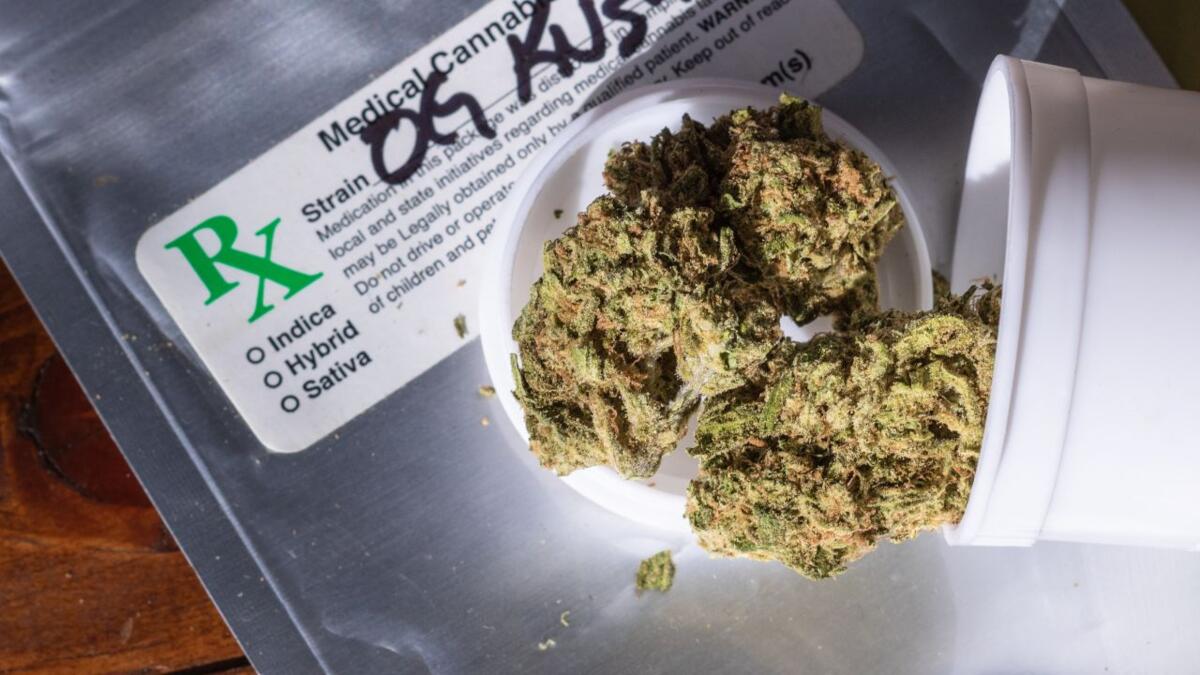
Imagine a medical cannabis patient returning to an online store to place their next order. Their medical documentation is active, they have a defined amount of cannabis available to purchase, some of that allowance may already have been used, and certain products may be covered while others need to be paid out of pocket.
To a conventional eCommerce platform, this person is simply a customer with products in a cart. Medical cannabis commerce needs to understand much more. It needs to recognize the patient's eligibility, the amount of cannabis represented by the products they select, their remaining allotment, and the coverage rules that apply to the purchase.
That is what makes medical cannabis fundamentally different from ordinary online retail.
The Patient Is More Than a Customer Account
In medical cannabis commerce, the customer relationship begins before the first purchase. A patient registers and their medical documentation becomes part of their eligibility to order. From a customer perspective, that documentation may be approved, pending, or expired, and the storefront needs to respond appropriately to each situation.
Instead of relying on staff to verify eligibility after an order is submitted, the patient's current medical status can become part of the commerce workflow itself. This allows the storefront to determine whether the patient can purchase while keeping unnecessary administrative complexity out of the shopping experience.
The result is a customer account that represents more than identity and contact information. It becomes a patient profile that helps determine what the customer can buy and under which conditions.
DGE Gives Different Products a Common Language
Medical cannabis comes in many forms, including dried flower, concentrates, oils, capsules, and edibles. These products cannot always be compared simply by package size, which creates a challenge when a patient's purchasing allowance needs to be measured consistently.
Dried Gram Equivalent, or DGE, provides a common unit for that purpose. Different product formats can carry a DGE value representing how much they count against the patient's medical allotment. The underlying medical model therefore treats DGE as a normalized equivalency rather than a price-based value.
From a commerce perspective, this means the platform can understand not only the quantity and price of a product, but also how much of the patient's available allowance that product will consume.
Turning Medical Authorization Into an Allotment
A patient's authorization becomes much more useful in an online store when it is translated into a clear purchasing allotment.
The allotment represents how much the patient can purchase during the current cycle. Each order consumes part of that amount, and the remaining balance can be shown directly to the patient. When products are added to the cart, their combined DGE can be evaluated against the allotment before the patient reaches the end of checkout.
This creates a much clearer experience than relying on staff to calculate limits manually. Patients can understand where they stand before placing an order, while vendors can apply purchasing rules consistently and reduce the risk of orders requiring manual correction.
Coverage and Out-of-Pocket Purchases
Medical cannabis commerce also needs to understand that not every product in an order is necessarily paid for in the same way.
Depending on the patient's coverage, some products may qualify for insurance or reimbursement while others remain out-of-pocket purchases. A single cart can therefore contain items with very different financial treatment.
A patient-aware storefront can make those differences visible before checkout. Products can be identified as covered, potentially reimbursable, or requiring direct payment, while the order keeps the appropriate financial information connected to each item.
For patients, this reduces uncertainty about what they may need to pay. For vendors, it reduces manual intervention and creates a cleaner foundation for billing, reimbursement, and reporting.
Making Medical Complexity Feel Simple
The goal of patient-aware commerce is not to expose medical rules to the customer. It is to make those rules work quietly behind a familiar shopping experience.
Registration establishes the patient profile and medical eligibility. Products carry DGE and coverage information. The patient's allotment establishes their current purchasing capacity. The cart calculates how much of that capacity an order will consume, while checkout determines which products are covered and which require payment.
For the patient, the experience remains straightforward. For the vendor, important medical and financial rules become part of the transaction instead of being managed through spreadsheets, manual calculations, and support tickets.
Summary
Medical cannabis eCommerce cannot simply add medical products to a conventional online store. The customer is also a patient, the product carries a medical equivalency, purchasing is constrained by an allotment, and payment may depend on coverage.
Bringing patient eligibility, medical documentation, DGE, allotments, insurance, reimbursement, and out-of-pocket payments into one commerce workflow creates an experience that is easier for patients and more manageable for vendors.
The result is a more patient-aware form of eCommerce, where medical rules are understood before the order is placed rather than resolved afterwards.
If you would like to see how SellStack brings patient profiles, medical allotments, DGE, and coverage-aware purchasing together in a single commerce experience, get in touch with the SellStack team for a demo.
Filip Šimek
Platform Lead Engineer, SellStack